

Crop woes - Weather wreaking havoc on local farmers
TERRIBLE weather conditions this year are having a disastrous impact on produce farmers which is being acutely felt in Bass Coast. “We’re lucky to have six greenhouses,” Goshen Country owners, Emma and Mikey Burness explain. “Many farmer...


TERRIBLE weather conditions this year are having a disastrous impact on produce farmers which is being acutely felt in Bass Coast.
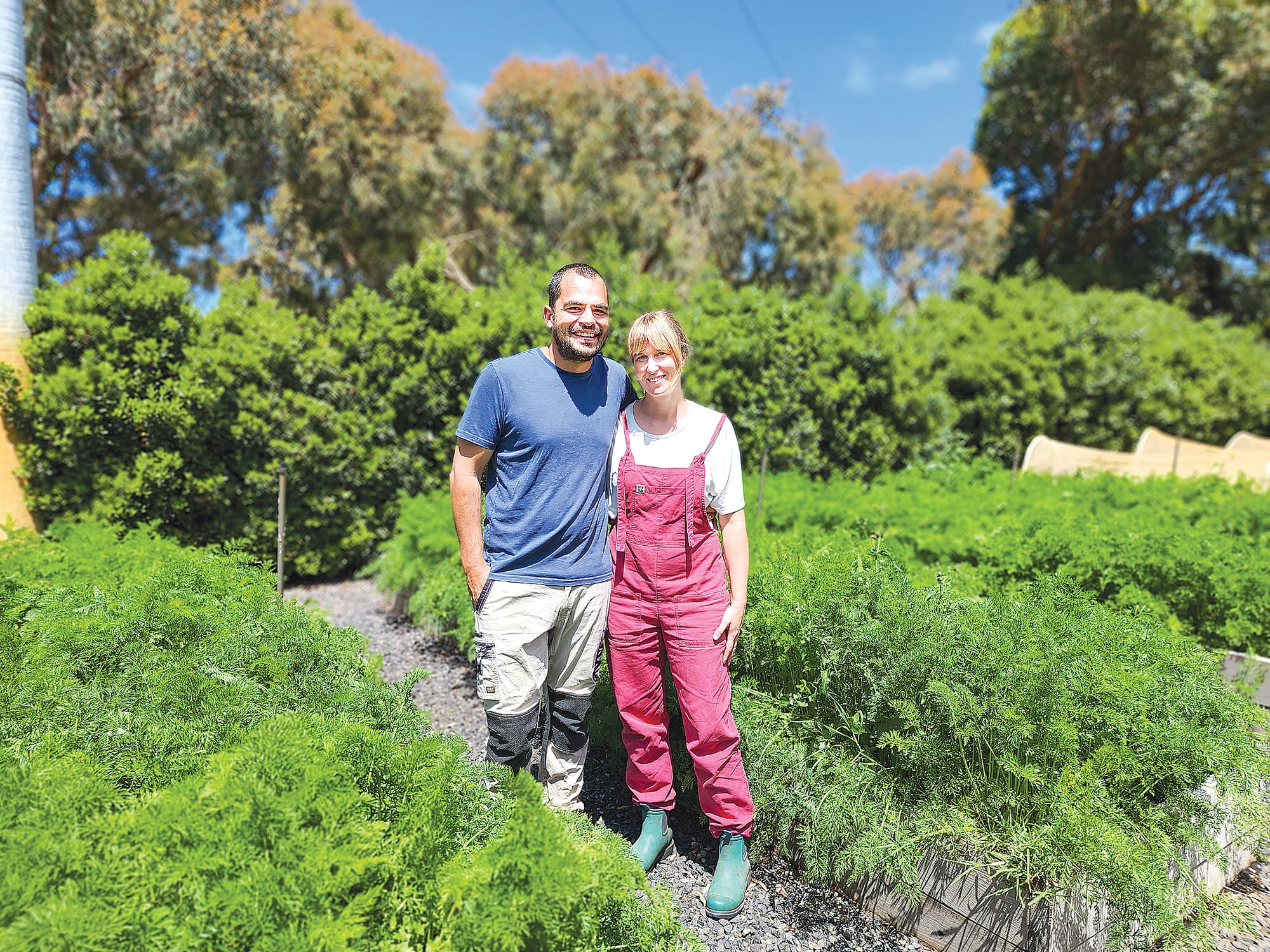
“We’re lucky to have six greenhouses,” Goshen Country owners, Emma and Mikey Burness explain.
“Many farmer friends are having a challenging season in this area – mostly outdoor production, crops have been damaged by hail, storms or the rain,” they said.
“If we had to rely on outdoor growing this year it would be dire. Usually, we have the ground prepared in mid-October and I’d say we still need one more week before we can prepare that outdoor paddock.
“Small scale farming, it is tough to make money because you lose crops all the time. If you haven’t had a chance to set up your summer crops and have them ready for harvest ahead of Christmas that is your money-making time.
“You cannot make money for six months of the year in this spot – it’s too cold, things slow down.
“But greenhouses are not without problems.”
Heartbreaking posts across social media show how tough the struggle is for farmers in Gippsland, whether from excessive water and flooding to cooler temperatures mixed with hot humid scattered days to pests.
And whilst Mikey and Emma are not alone, this is their story.
The duo’s venture started back in 2015, when Mikey’s parents purchased the property in Cape Paterson to one day retire at.
“There was a plum orchard down the back of the property that yielded such beautiful fruit and the previous owners used to put apples and plums on the side of the road,” Emma said.
“We thought we might as well continue when we had excess because people were familiar with it, they had been doing every summer for twenty years or so – it was side hustle.”
With Mikey working as a chef at the time and Emma a stay-at-home mum raising two daughters, the pair decided to add more garden beds.
“It grew really organically – purely Cape locals and couple of people that would pop in.”
Fast-forward seven years and the pair have transformed a portion of the land into a small-scale vegetable farm, a hop, skip and jump from Cape Paterson’s spectacular coastline with six greenhouses.
Hours were spent reading and learning; it was trial and error at the start, and whilst virgin soil and a hot summer certainly contributed to a successful confidence boost.
But a few hiccups along the way have kept the pair grounded and able to cope with whatever the farm throws their way.
“Every summer since has been cold. After our wonderful summer we planted our autumn crops and it started raining and we lost everything.
“We realised our clay soil were not great for growing at least six months of the year, so we added a greenhouse. We’ve been lucky enough to get two different grants for two of the greenhouses that has really helped build the business because they are expensive.
“We have been growing for four years with everything going back into the farm. This will be the first summer we’re going to see the rewards of all the hard work, financing and labour that’s gone in.
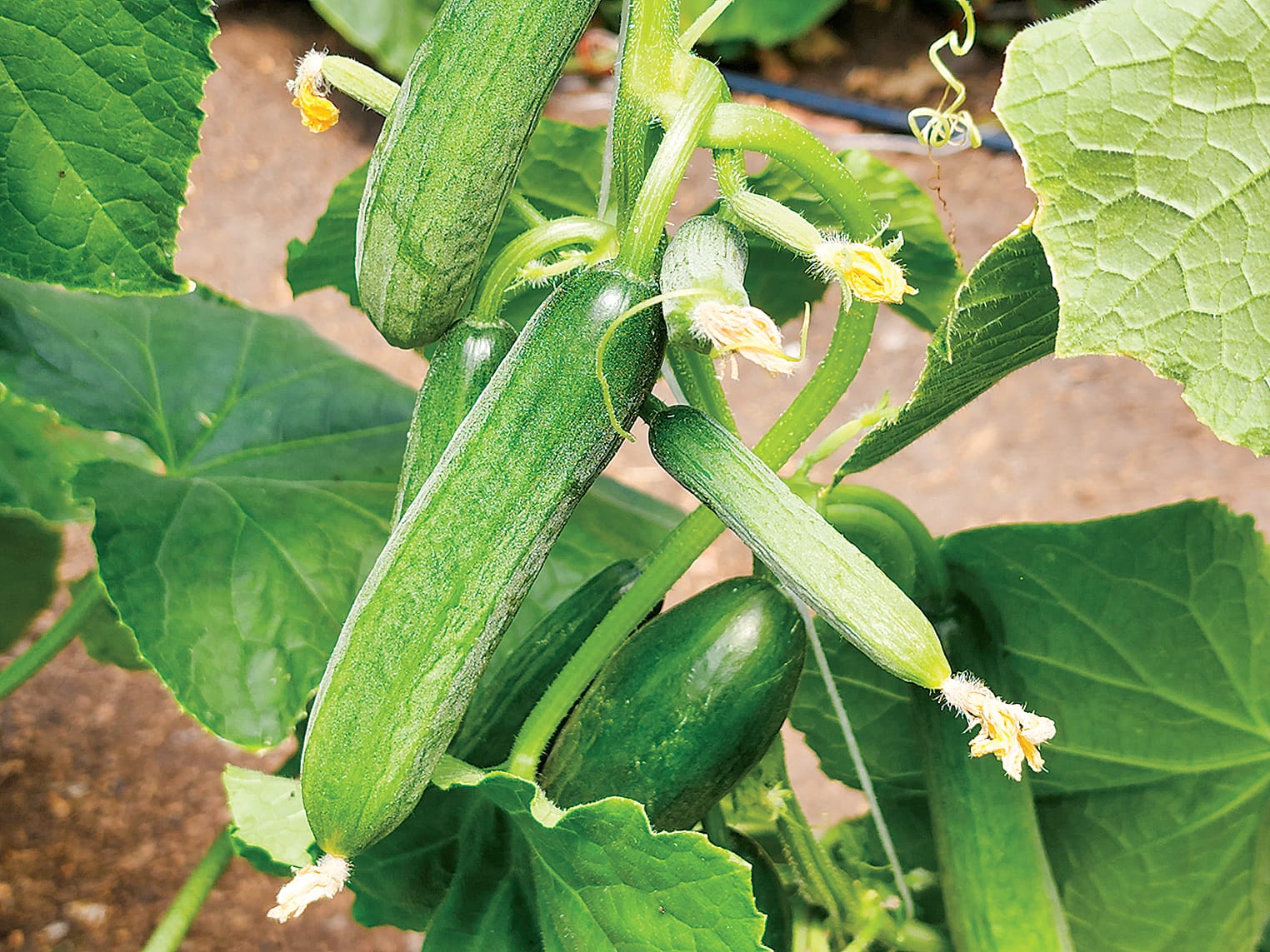
“But greenhouses are not without their problems and we’re encountering a lot of problems that are directly related to growing in greenhouses organically.”
Whilst a part of small- and large-scale farming, crop loss due to pests and diseases is part of the game.
“The first couple of losses you get a bit emotional, but it’s happened so many times we seem able to quickly plant something else and move forwards.
“The main problem with greenhouse cultivation is the bad (pests) find their way in and the good ones often don’t – you have to introduce them; and this year was particularly bad for aphids.”
Enthusiastic and always smiling you’d be mistaken for thinking this year’s summer crops were a roaring success…
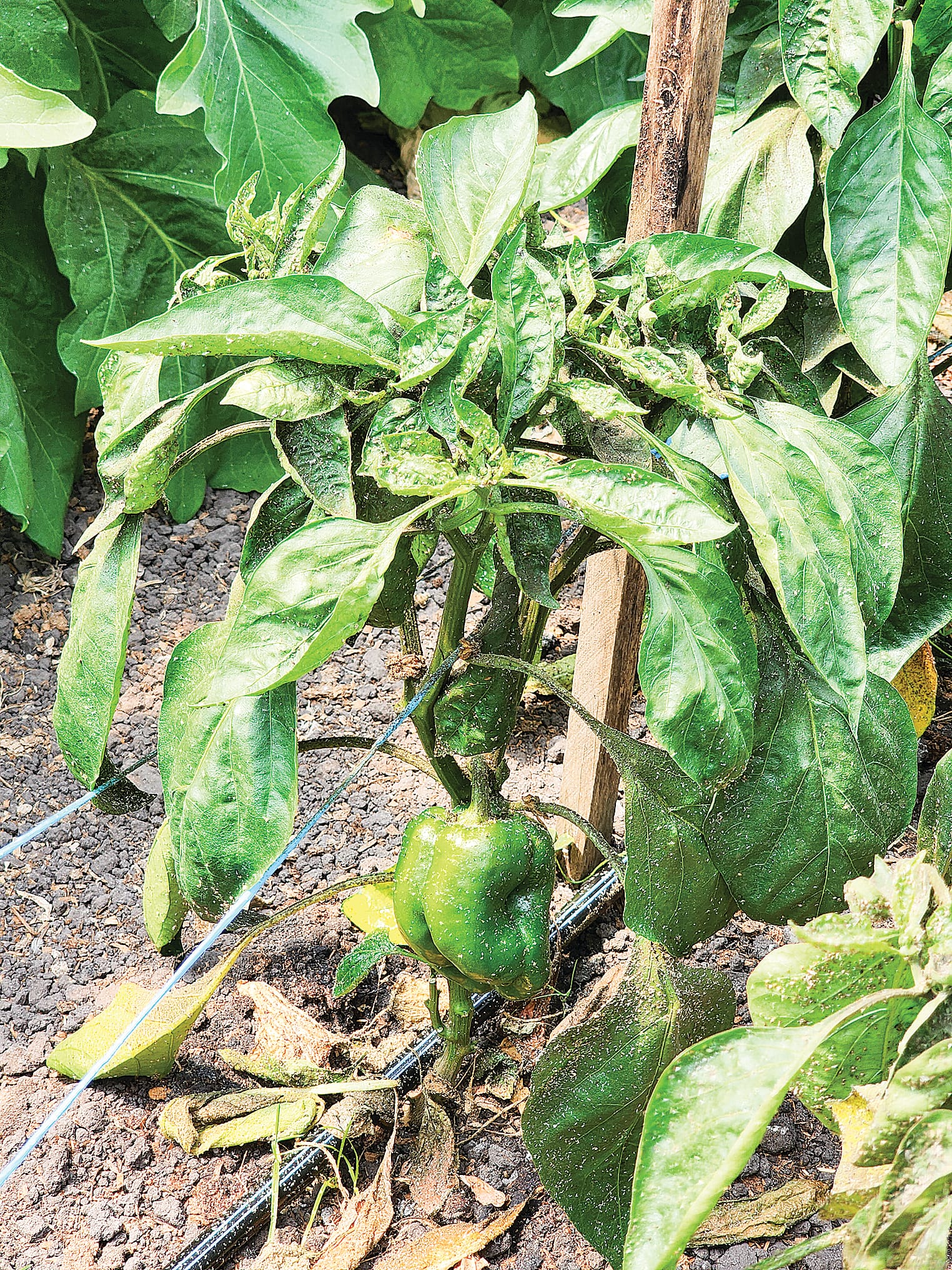
“Because of all the wet and hot humid days we had about a month ago (aphids) exploded and within a week they wiped out the whole capsicum crop – it was unmanageable.
“We got (good) bugs in but there was just too many they got overwhelmed.
“This year was a learning experience.”
The good bugs Emma and Mikey have introduced into their greenhouses include lady beetles and parasitic wasps, amongst hoverflies and lacewings that came in by themselves.
“We’ve just discovered thrips are a problem – they eat the root of the plants and seedlings. We’ve discovered rove beetles and they tunnel under the ground and eat them.
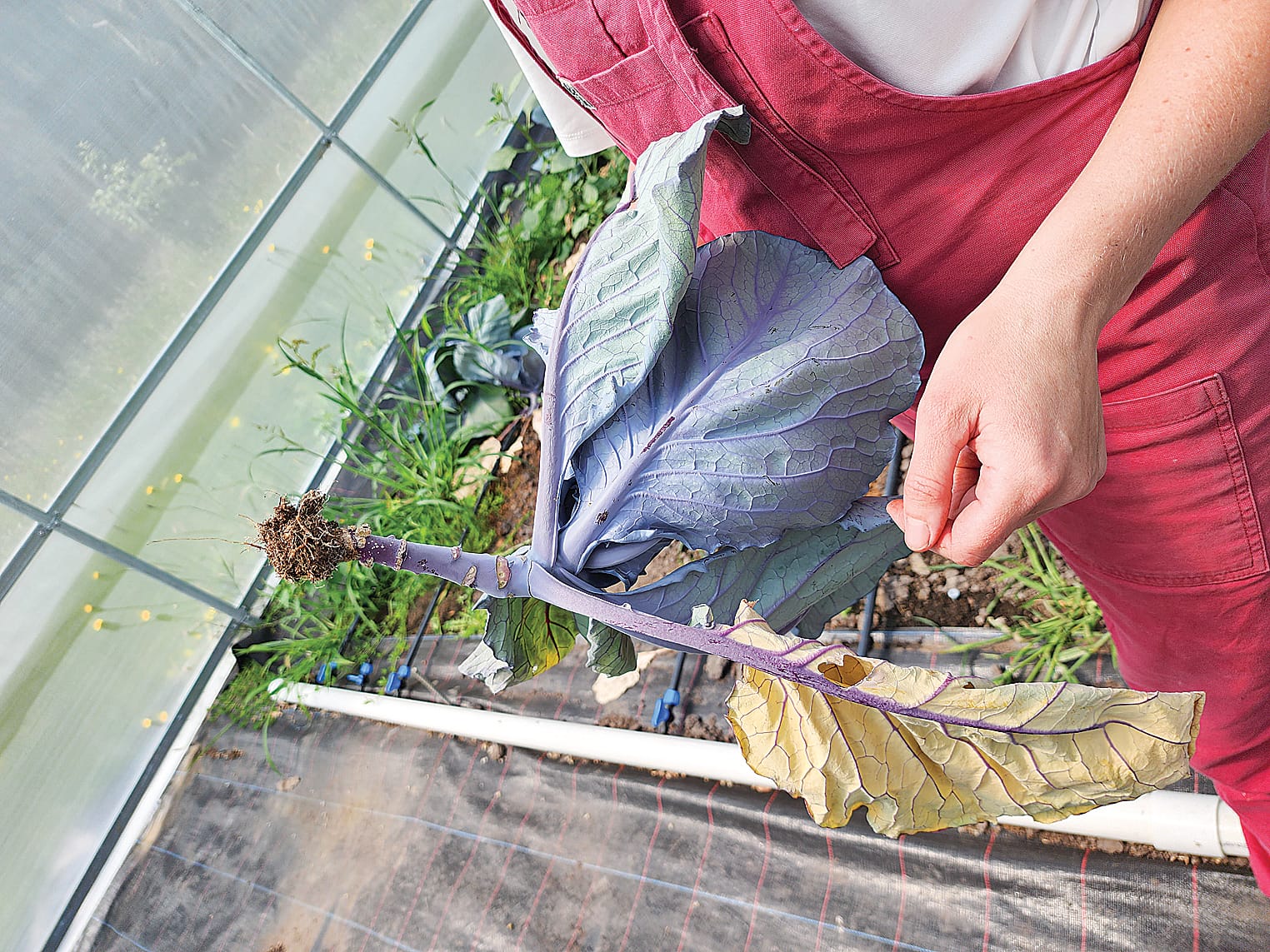
“And one other (pest) we’ve never seen before is cabbage flies. We’ve pretty much lost all our red cabbages – they would have been ready for Christmas – we’ve lost about 200 cabbages.
“We cannot afford to do a lot of the testing that the large-scale farms can do, we rely on sticking to our plan, crop rotation and managing the pests organically.”
Dynamic, resilient and hopeful as most farmers are, the duo are looking forward to the delicious produce that is coming through as the weather warms.
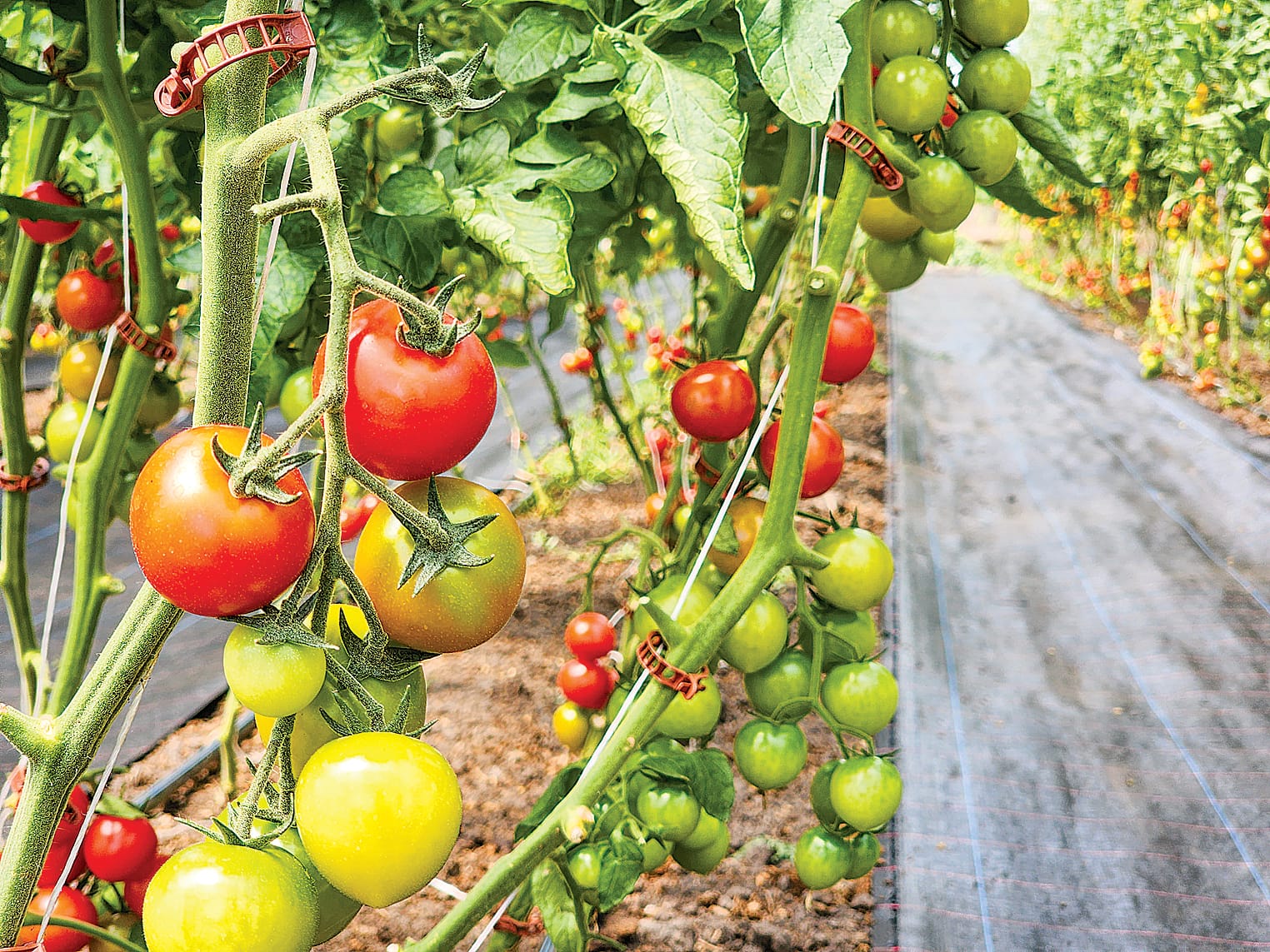
“I have a love/hate relationship with tomatoes,” Mikey laughs.
“They’re hard to manage. I admire anything that is perfectly grown – like pak choi when you go to pick it in the morning it’s beautiful and crip. When basil is freshly picked, and the leaves are firm.
“I love never going to the supermarket and cooking fresh, organic produce.”
For Emma, the flavour bombs that are tomatoes are her favourite.
“The days are long, the body is worn, but we really do enjoy this. Living here you never get away from it, but we are heading into our fifth year of offering affordable, good quality organic produce.”
As for their daughters, keep your eyes peeled on their side hustle which will see bunches of zinnia flowers available in the future.


